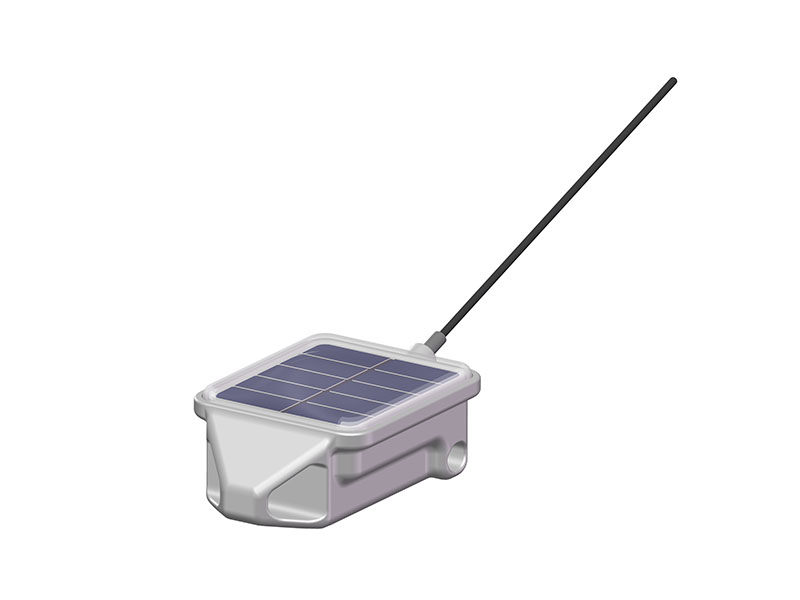
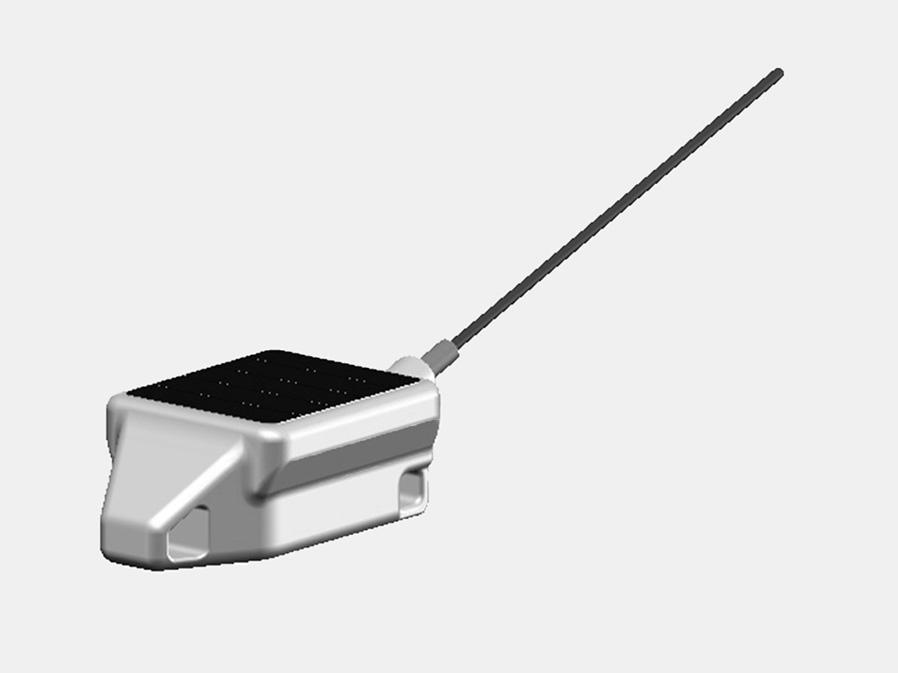
Telemetry Animal Tracking is a revolutionary new technology that is changing the way researchers and wildlife conservationists study and protect animals in the wild. This cutting-edge system allows scientists to track the movements and behaviors of animals in real time, providing invaluable data that can be used to better understand and protect endangered species.Telemetry Animal Tracking works by attaching a small, lightweight tracking device to an animal, such as a bird, fish, or mammal. This device, which is equipped with GPS and other sensors, sends continuous signals to satellites, allowing researchers to monitor the animal's location, speed, and even body temperature. This data is then transmitted to a central database, where it can be analyzed and used to gain insight into the animal's behavior and habitat use.One of the key advantages of Telemetry Animal Tracking is its ability to provide researchers with a wealth of information without the need for direct human observation. This means that even the most elusive and difficult-to-study animals can be tracked and monitored, providing researchers with a more comprehensive understanding of their behaviors and needs.In addition, Telemetry Animal Tracking can also be used to study the effects of human activity on wildlife. By monitoring the movements of animals in relation to human-made structures, such as roads and buildings, researchers can gain a better understanding of how human development impacts local wildlife populations. This information can then be used to develop strategies for minimizing the negative effects of human activity on wildlife.Furthermore, Telemetry Animal Tracking is also playing a crucial role in conservation efforts. By tracking the movements of endangered species, researchers can identify key habitats and migration routes that are critical to their survival. This information can then be used to inform conservation measures, such as the creation of protected areas or the implementation of wildlife corridors.Overall, Telemetry Animal Tracking is a powerful tool that is revolutionizing the way we study and protect wildlife. By providing researchers with real-time, detailed data on animal movements and behaviors, this technology is helping to advance our understanding of the natural world and inform critical conservation efforts.{} has been at the forefront of developing and implementing Telemetry Animal Tracking technology. As a leader in wildlife research and conservation, the company has been instrumental in advancing the capabilities of this technology and helping to bring it to the forefront of scientific research and conservation efforts around the world.With a team of experts in animal behavior, ecology, and technology, {} has been able to develop tracking devices that are not only highly accurate and reliable but also minimally invasive to the animals being studied. This has allowed researchers to gather critical data without causing undue harm or stress to the animals, ensuring that the research is both ethical and effective.Moreover, {} has also been actively involved in collaborating with researchers and conservation organizations to deploy Telemetry Animal Tracking systems in the field. By working closely with wildlife experts, the company has been able to tailor its technology to meet the specific needs of different animal species and research objectives, ensuring that the data collected is both relevant and actionable.Looking ahead, {} is committed to further advancing Telemetry Animal Tracking technology to continue improving its capabilities and expanding its applications. By continuing to push the boundaries of what is possible with this technology, the company aims to contribute to a deeper understanding of wildlife and the natural world, ultimately leading to more effective conservation and management strategies.As the need for innovative solutions to protect and conserve wildlife grows, Telemetry Animal Tracking is poised to play an increasingly important role in scientific research and conservation efforts. With the expertise and dedication of companies like {}, this technology has the potential to make a lasting impact on the future of wildlife conservation.
Read More