
Wildlife Tracking Collars Available for Sale
By:Admin
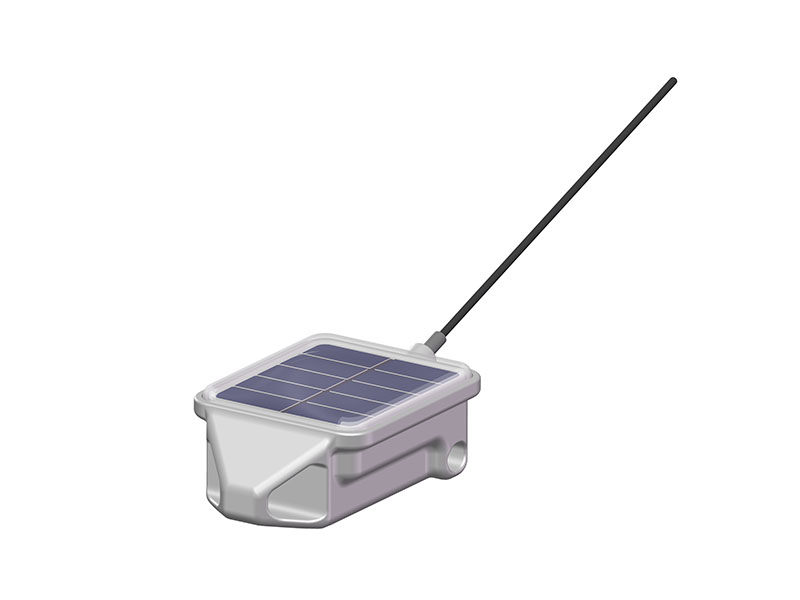
In recent years, wildlife conservation has made significant strides owing to technological innovations that aid researchers and conservationists in monitoring animal movements and behaviors. Among these advancements, wildlife tracking collars have emerged as a vital tool, offering unprecedented insights into animal ecology and enhancing efforts to protect endangered species. Currently, a range of state-of-the-art wildlife tracking collars is available on the market, designed to meet the diverse needs of research projects across the globe.
**Innovations in Wildlife Tracking Technology**
Modern wildlife tracking collars leverage cutting-edge technology such as GPS, satellite communication, and cellular networks to provide real-time data on animal locations. These devices are engineered to be lightweight and durable, minimizing any impact on the animals' natural behavior. Enhanced battery life, solar charging options, and remote data retrieval capabilities further increase their efficiency and usability in the field.
Recent models incorporate advanced sensors that track not only location but also physiological parameters like heart rate, body temperature, and activity levels. Such comprehensive monitoring helps researchers better understand animal health, stress responses, and interactions with their environment. By analyzing these data, conservationists can make informed decisions related to habitat management, human-wildlife conflict mitigation, and species recovery programs.
**Applications Across Diverse Ecosystems**
The versatility of wildlife tracking collars allows their use across a broad spectrum of species—from large mammals like elephants, wolves, and bears to smaller animals such as foxes and some bird species. Each collar design is tailored to fit specific animal sizes and behaviors, ensuring minimal disruption. For instance, collars intended for large herbivores focus on robustness and long battery life, while those used for smaller carnivores emphasize lightweight materials and streamlined form factors.
Furthermore, the deployment of these collars facilitates crucial scientific research in remote and challenging environments. For example, researchers tracking mountain lions in rugged terrains or monitoring migratory patterns of endangered birds can obtain reliable data without the need for constant physical tracking, thereby improving safety for both animals and field teams.
**Company Commitment to Innovation and Conservation**
The provider of these wildlife tracking collars is a pioneering company committed to developing innovative solutions that empower conservation efforts worldwide. With extensive experience in wildlife technology, the company prioritizes rigorous testing and customization to meet specific project needs. Their products undergo stringent quality control to ensure durability in harsh environmental conditions and accuracy in data collection.
Beyond technology, the company works closely with conservation groups, research institutions, and governmental agencies to provide training and support, fostering effective use of tracking devices in the field. Their comprehensive approach encompasses consultation services to help design collar deployment strategies that optimize data yield while adhering to ethical practices in animal handling.
**Impact on Wildlife Conservation Initiatives**
The adoption of advanced tracking collars has transformed the scope and scale of wildlife conservation projects. Real-time monitoring enables rapid response to threats such as poaching, habitat destruction, or unexpected animal movements into human settlements. By alerting authorities promptly, these tools can prevent conflicts and reduce mortality rates among vulnerable species.
Moreover, longitudinal studies facilitated by tracking data contribute to a deeper understanding of species’ life cycles, migration corridors, and breeding behaviors. Such insights are invaluable for establishing protected areas, planning wildlife corridors, and guiding reintroduction programs that aim to restore ecological balance.
In some regions, community-based conservation programs incorporate collar data to engage local populations in wildlife protection, fostering coexistence and raising awareness about the importance of biodiversity. Transparent sharing of tracking results helps build trust and collaborative efforts between scientists, policymakers, and indigenous groups.
**Looking Ahead: Future Trends in Wildlife Tracking**
As technology advances, the future of wildlife tracking promises even more sophisticated capabilities. Integrating artificial intelligence and machine learning could enhance data analysis, predicting animal behavior patterns and environmental impacts with greater precision. Furthermore, miniaturization and biodegradable materials may increase the range of species that can be safely monitored.
Additionally, expanding global networks of satellite and cellular connectivity will improve data transmission from remote locations, facilitating timely interventions. Partnerships between technology developers and conservation organizations are expected to deepen, promoting sustainability and innovation in wildlife monitoring solutions.
In conclusion, wildlife tracking collars have become indispensable tools in the quest to understand and protect the planet’s fauna. Through continuous innovation and dedicated collaboration, these technologies are empowering conservationists to safeguard biodiversity for future generations while enriching scientific knowledge about the natural world. For researchers and organizations seeking reliable and customizable tracking solutions, the latest range of advanced collars offers effective options to support their mission in wildlife preservation.